
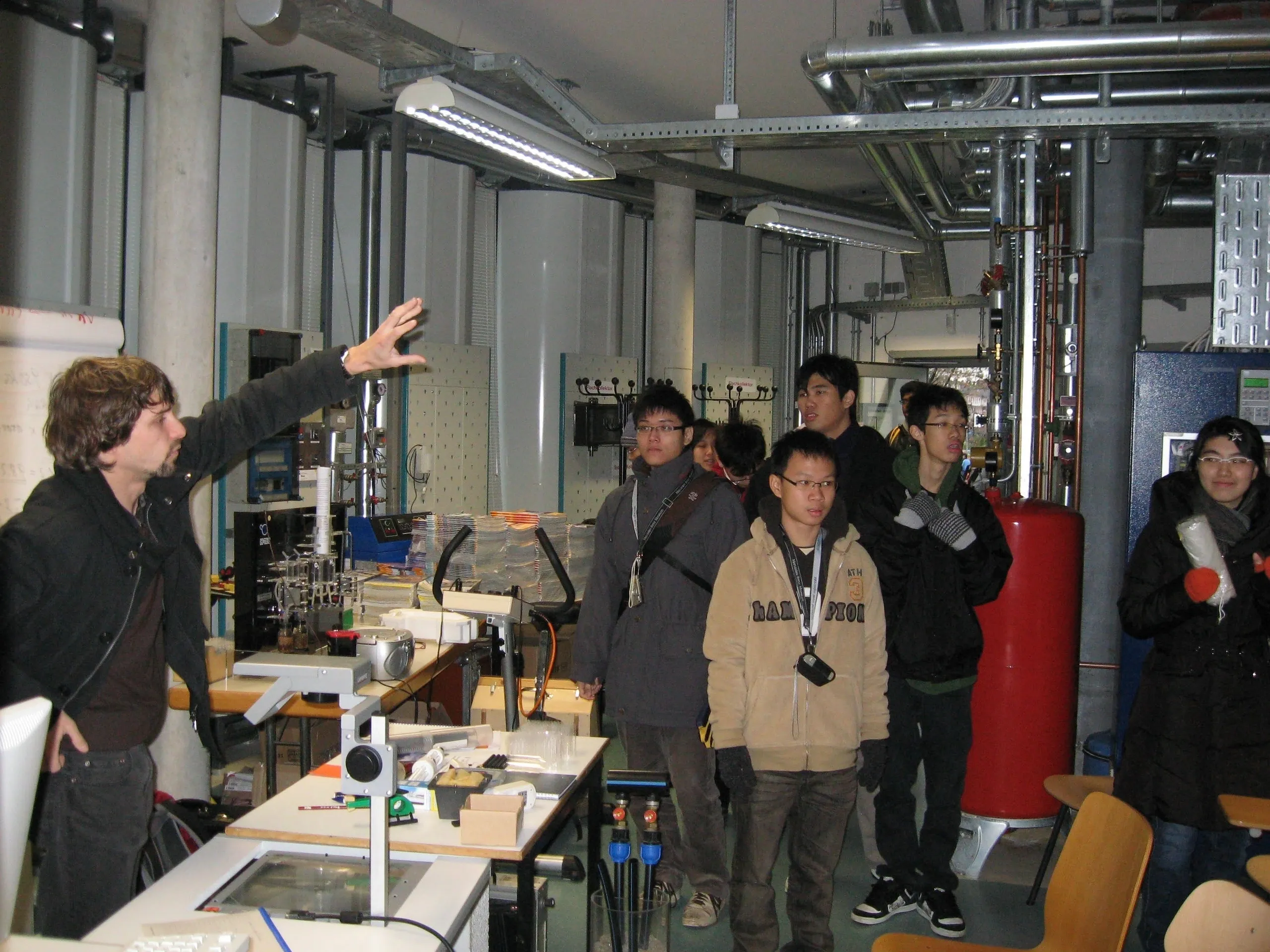
At the core of electronics lies electromagnetism, which governs how electric currents flow through circuits. Without an understanding of electric fields, magnetic forces, and semiconductors, technologies like computers, televisions, and mobile phones would not exist. Even something as common as Wi-Fi relies on electromagnetic waves discovered through physics research.
Physics also plays a critical role in transportation and engineering. Concepts such as Newton’s laws of motion, friction, and energy conservation are applied in the design of cars, trains, aircraft, and rockets. Safety features like airbags and seatbelts are direct applications of momentum and force analysis.
In medicine, physics has revolutionized healthcare through tools like X-rays, MRI scanners, and radiation therapy. These technologies help doctors diagnose and treat diseases accurately, saving millions of lives.
In essence, physics connects curiosity with innovation. It turns abstract equations into practical solutions, making it one of the most powerful sciences shaping our future.
#Physics#Learning